We Need the CHILD Labor Act
Child Labor in America: Why We Need the "Children Harmed in Life-threatening or Dangerous (CHILD) Labor Act of 2026 (H.R.9347 / S.4817)A proposed federal legislation to strengthen protections against child labor violations in the United States.
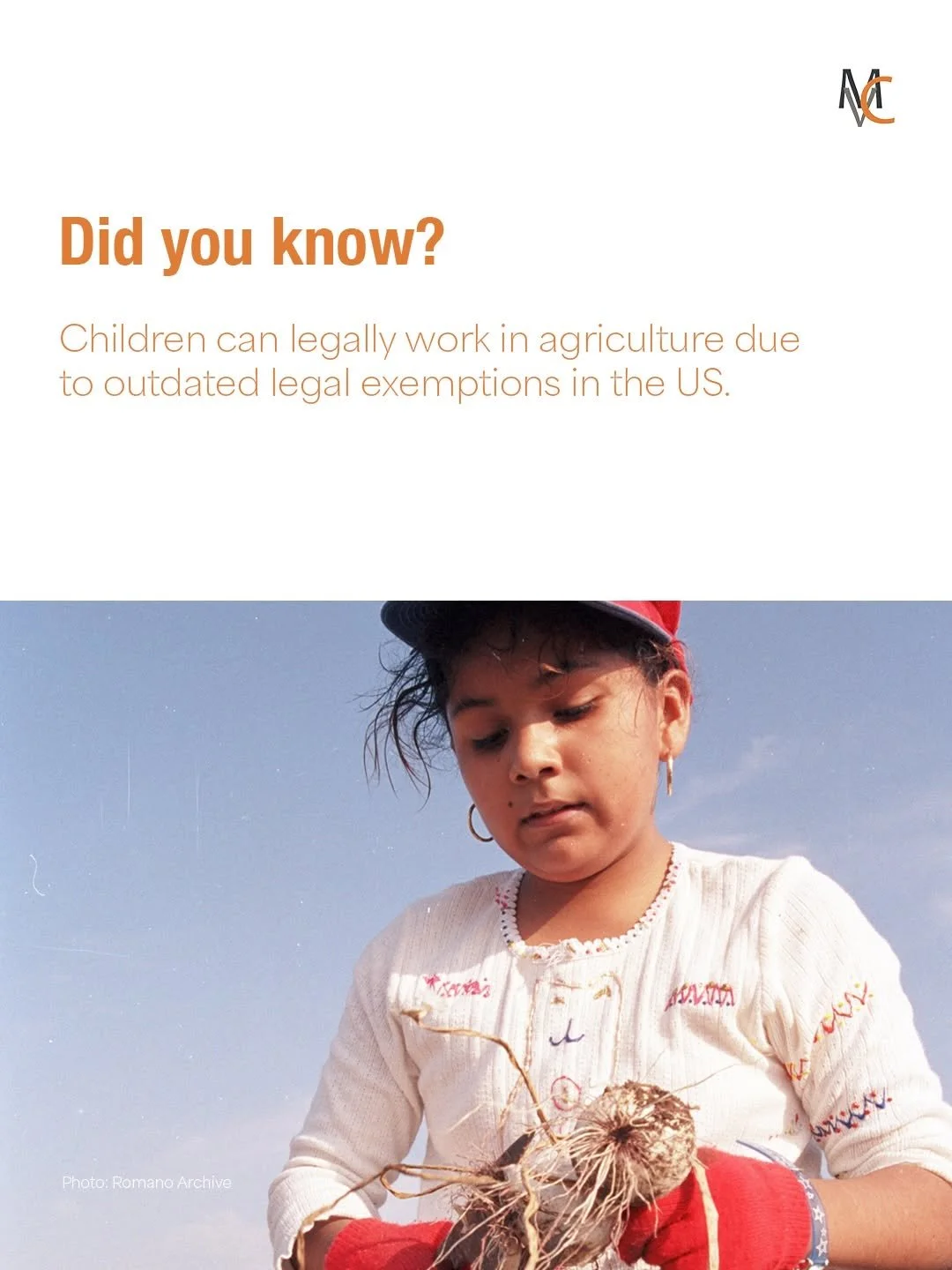
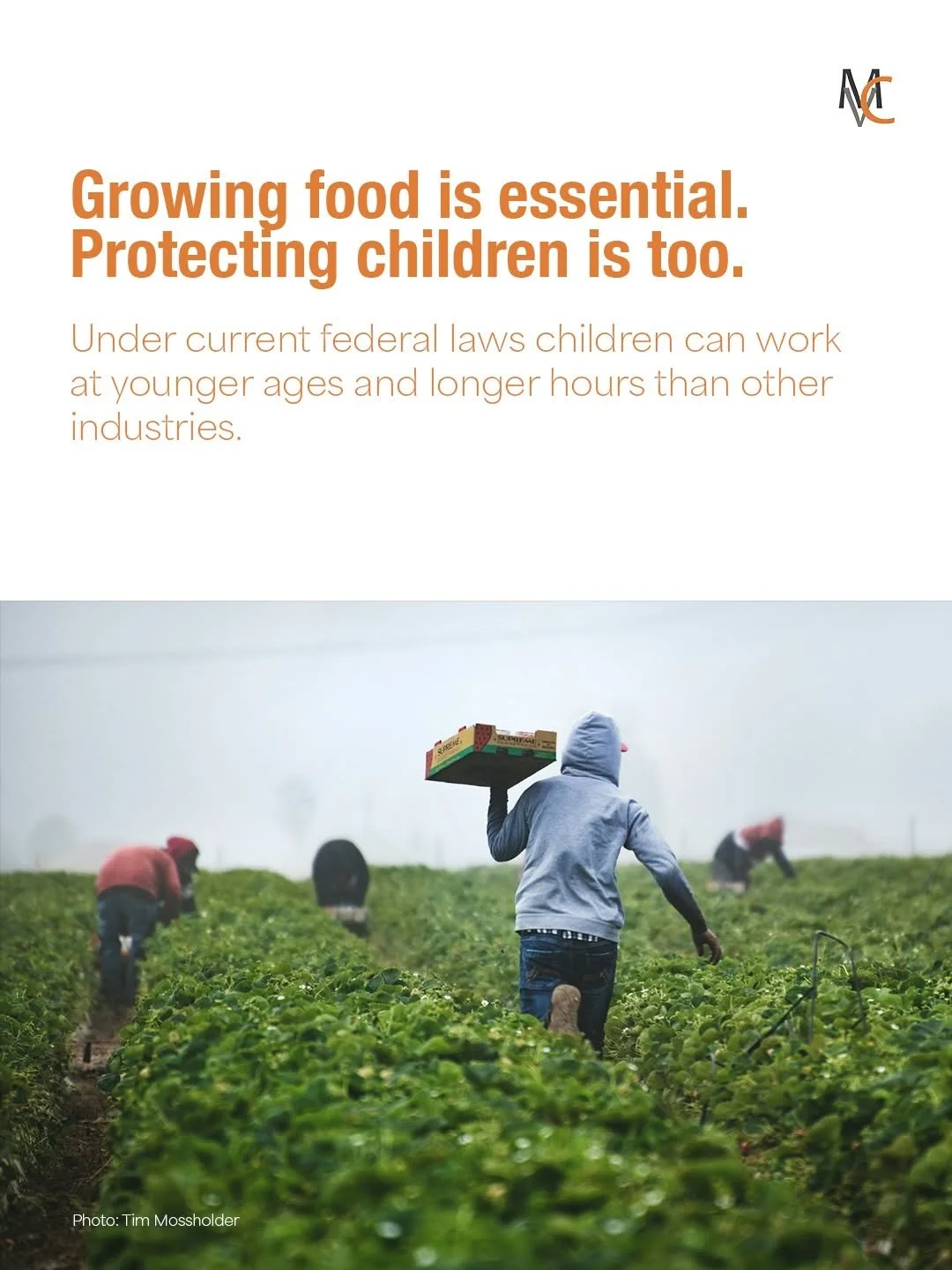
Alma Hernández was five years old the first time she worked in the strawberry fields. She arrived at seven in the morning carrying a pink bucket, filled it with the ripest berries, and handed them off to her parents.
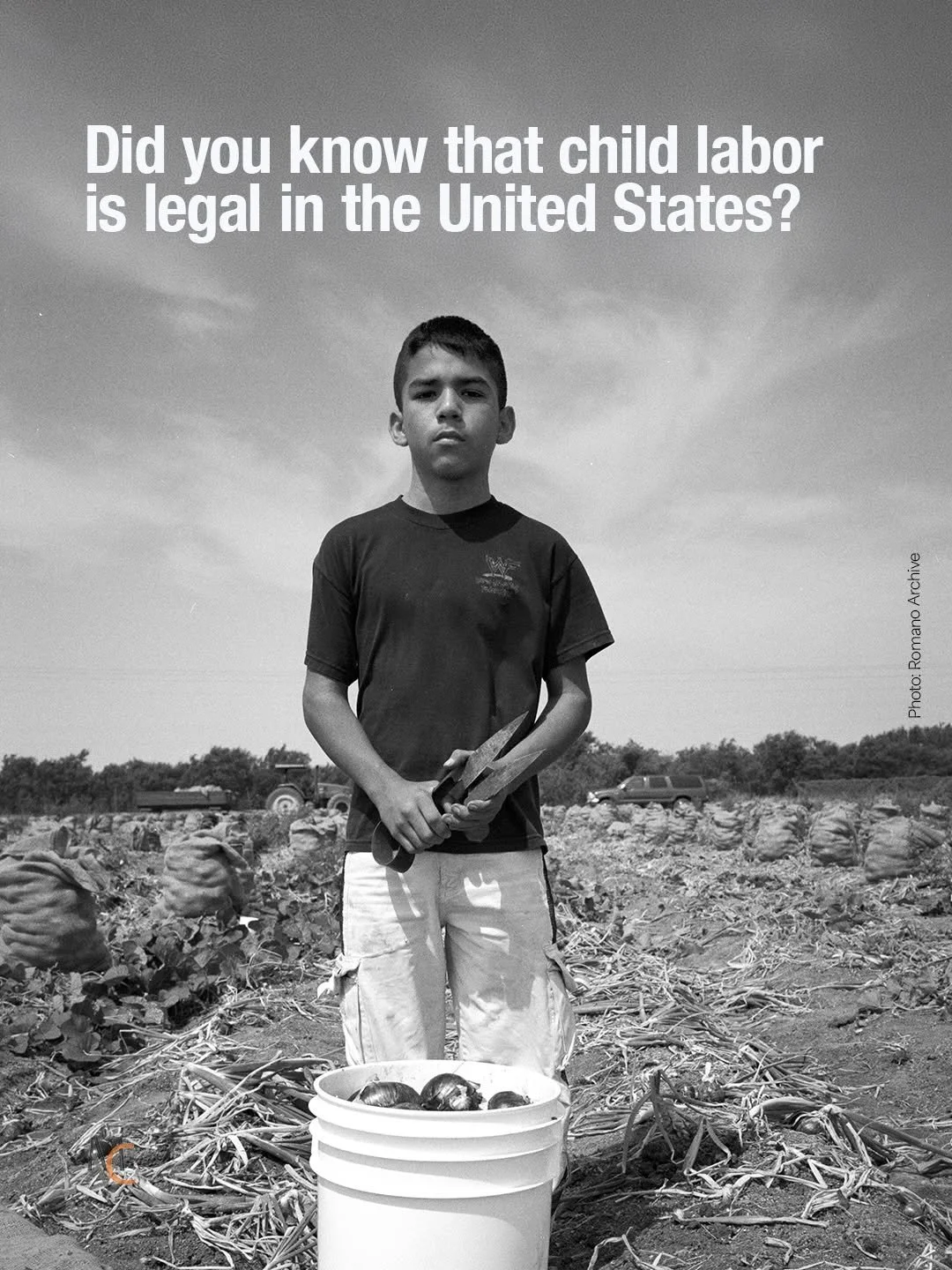
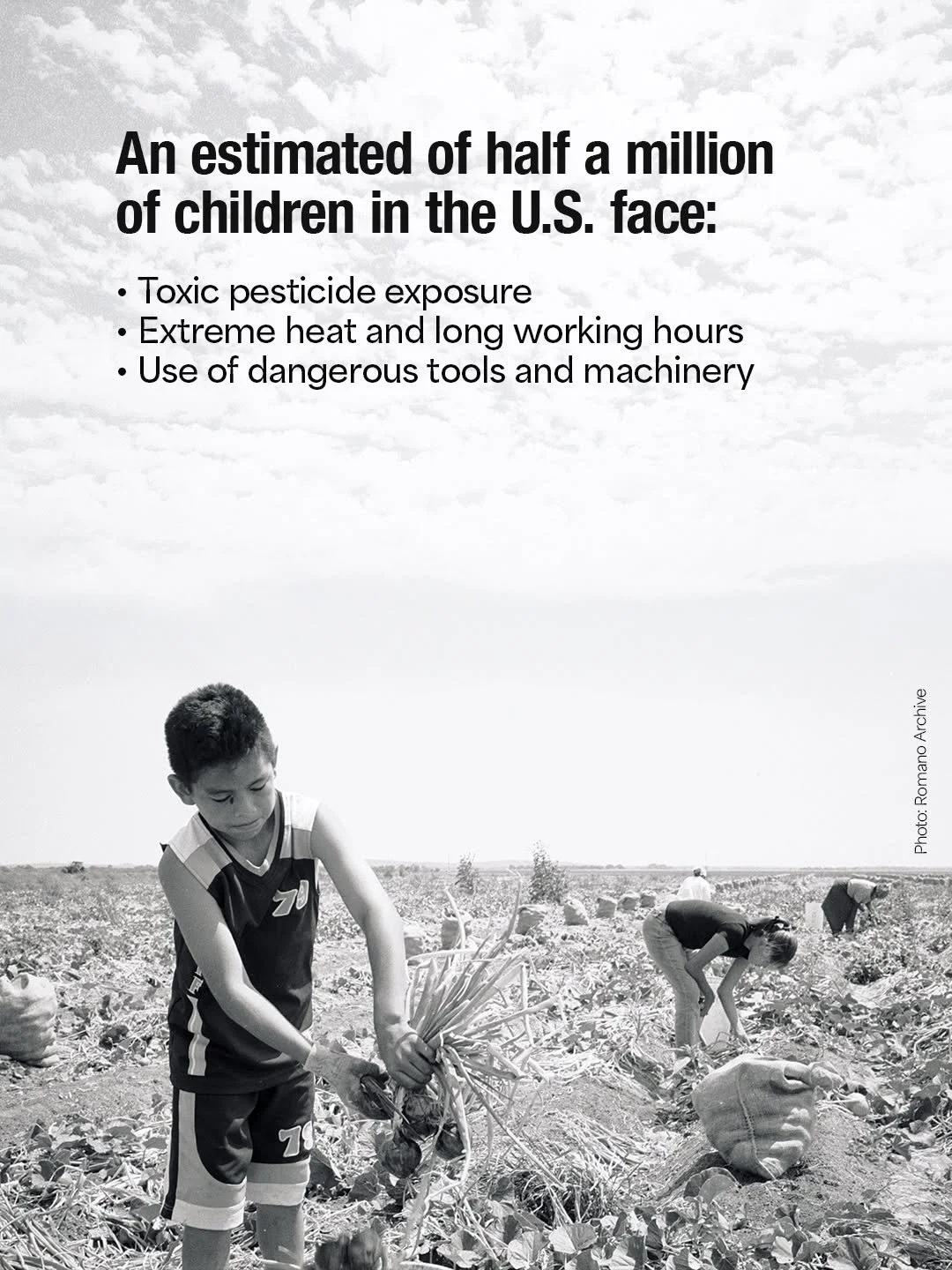
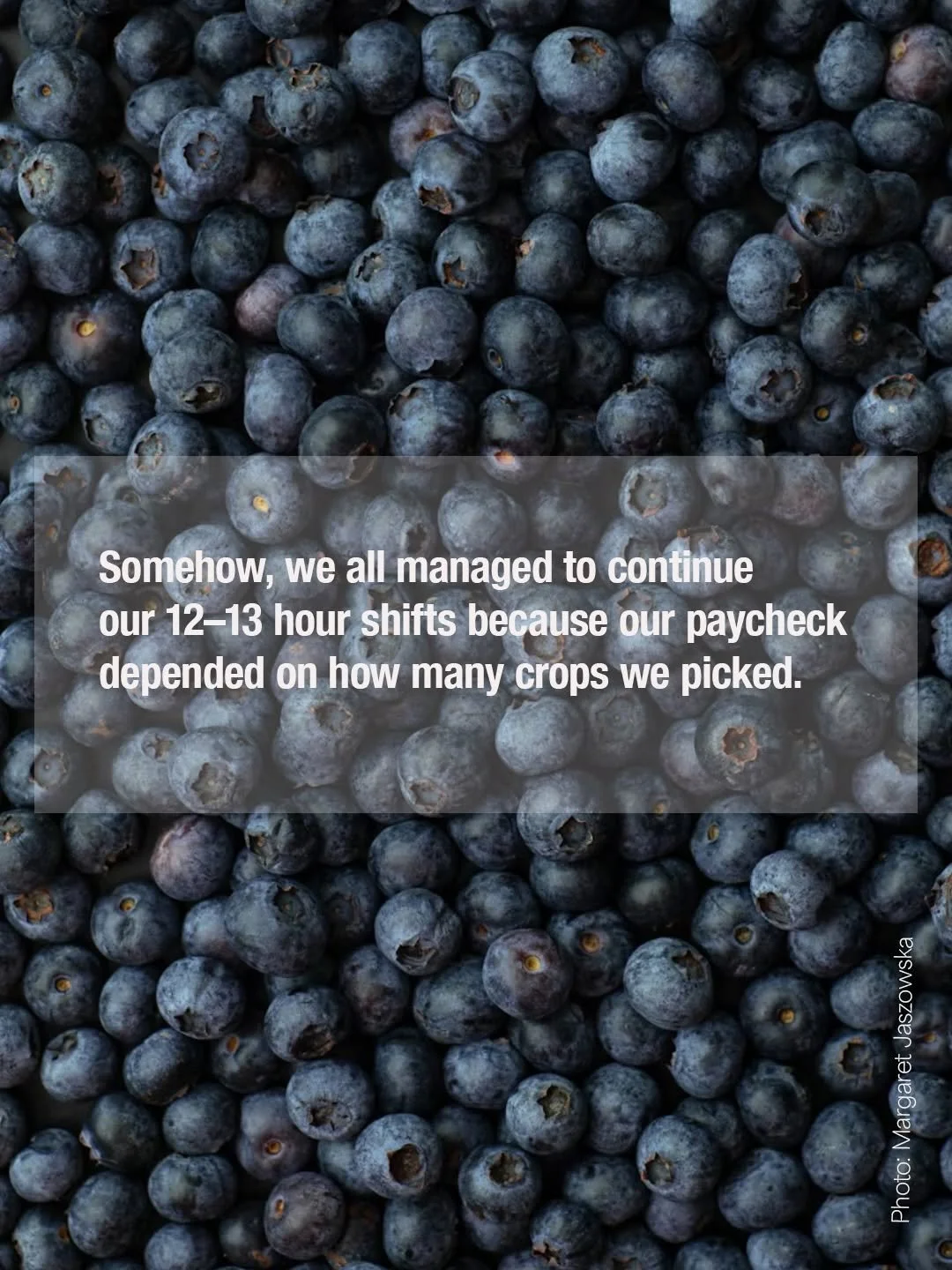
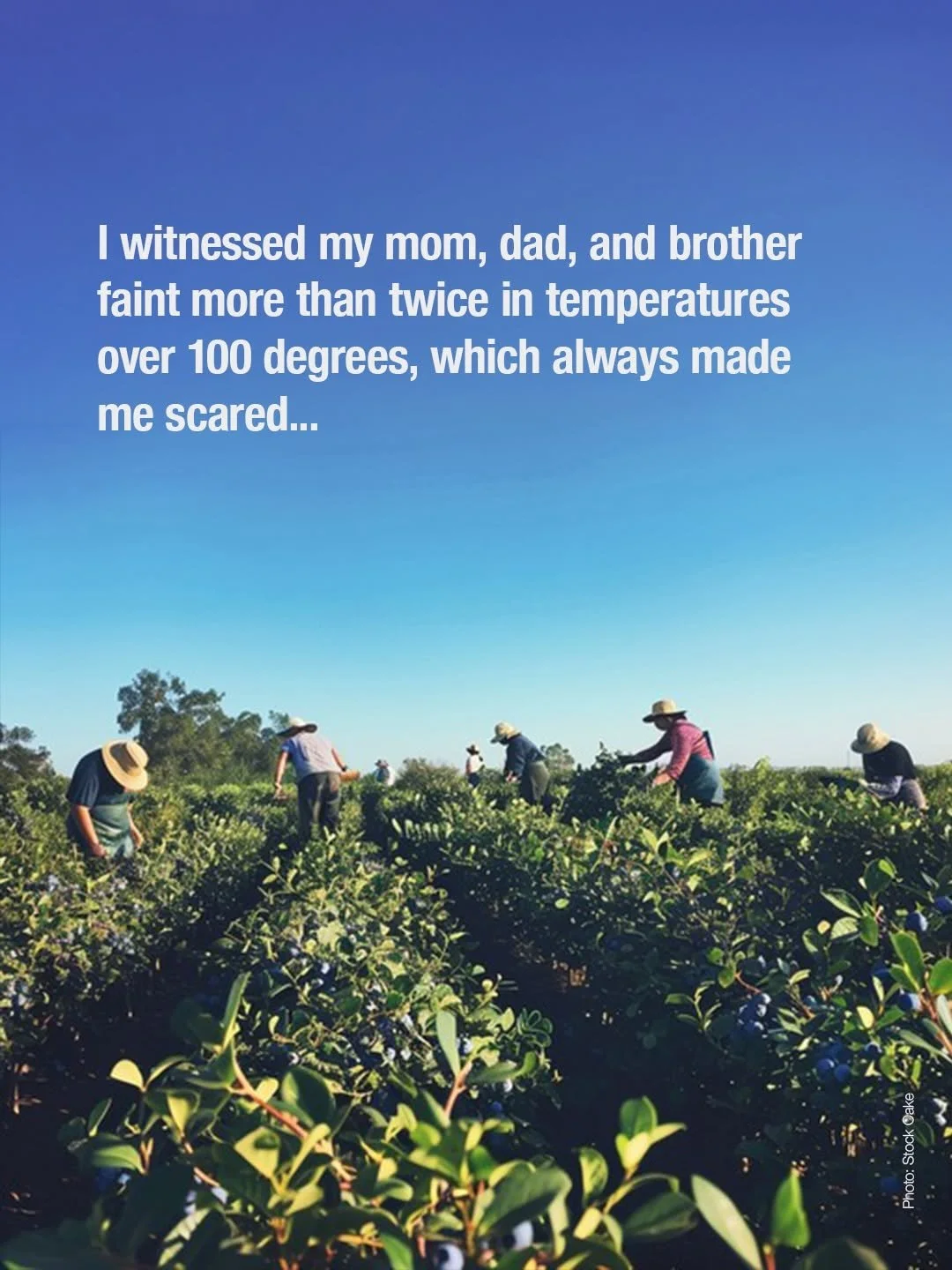
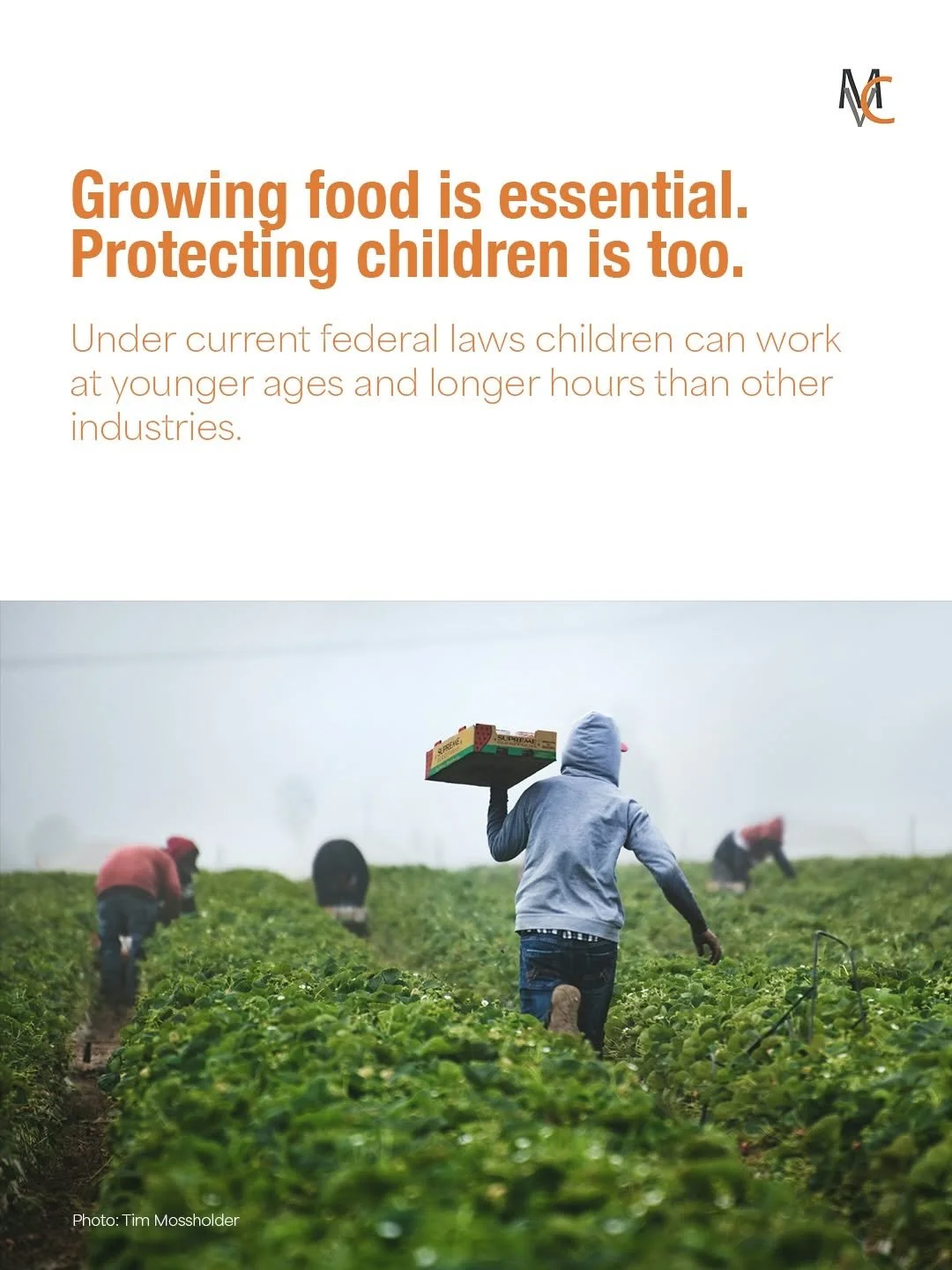
Every summer during blueberry season, her family drove seventeen hours from Florida to Michigan so she could pick alongside them. She had two buckets tied to her waist, six full ones by the end of a run, more than forty pounds of blueberries for less than fifty cents a pound. Gizela Gaspar picked cherries from the bottoms of trees, using her Halloween basket with a string looped around her neck as a harness. Their stories, featured in our short film The Pink Bucket, are three among an estimated half a million children working in U.S. fields today.
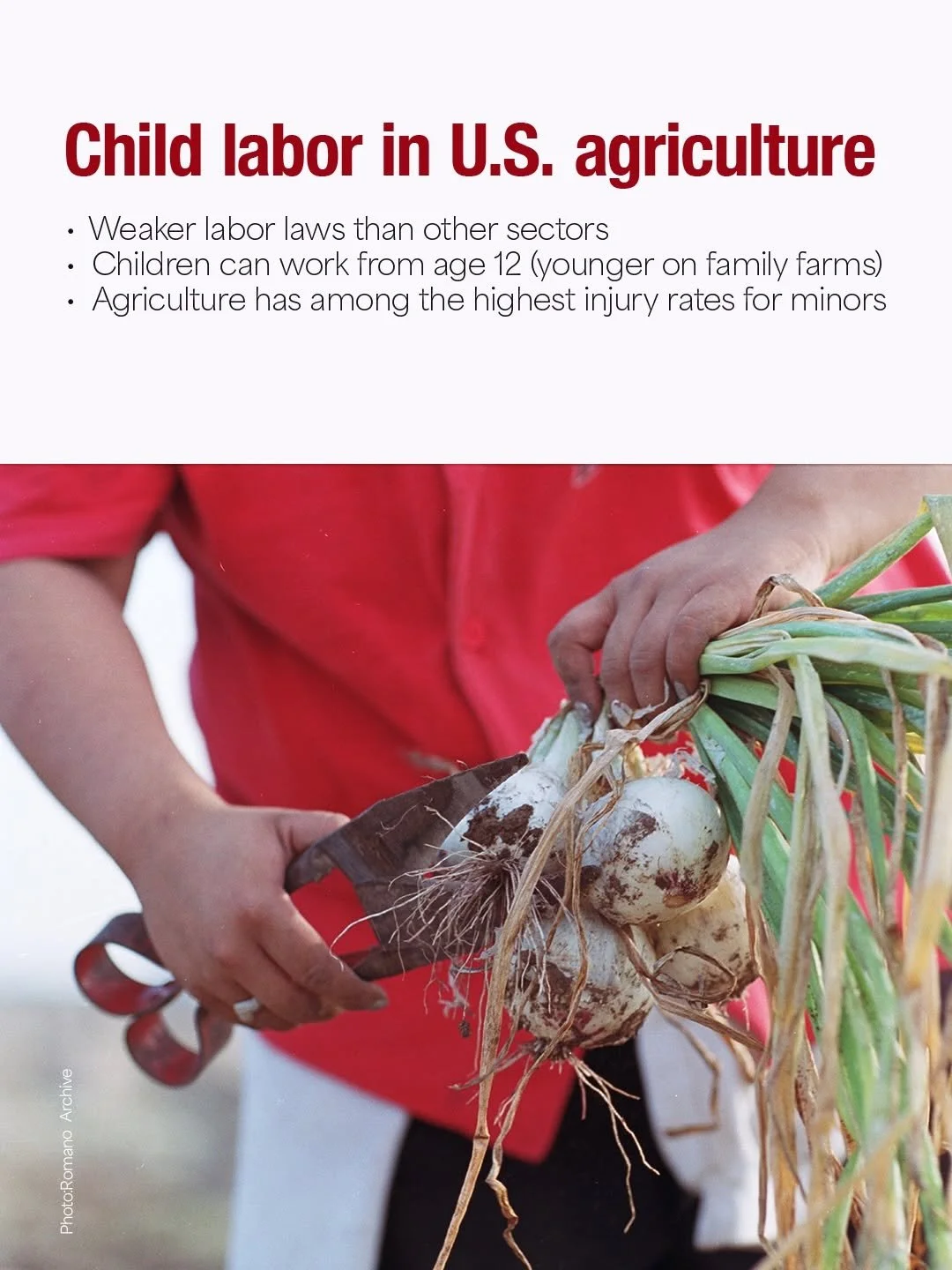
Shockingly, work like this can be entirely legal. The Fair Labor Standards Act of 1938 carved out agriculture almost entirely. Under federal law, a child of any age can work on a farm owned by their own parents, and on other small farms exempt from minimum wage rules, children under 12 can work non-hazardous jobs with parental consent. That carve-out has survived nearly a century of other reforms untouched.
According to the International Labour Organization, 61% of child labor worldwide happens in agriculture, precisely where legal protections tend to be weakest and most dangerous for children and youth.
The introduction of new legislation is necessary to counter some legislators' efforts to introduce laws to weaken the existing protections amidst rising reports of child labor violations signaling a growing problem in the United States. Currently, there are now five times more child labor violations as there were a decade ago. This sharp increase shows the need for stronger protections and enforcement to keep children safe from illegal and dangerous work.
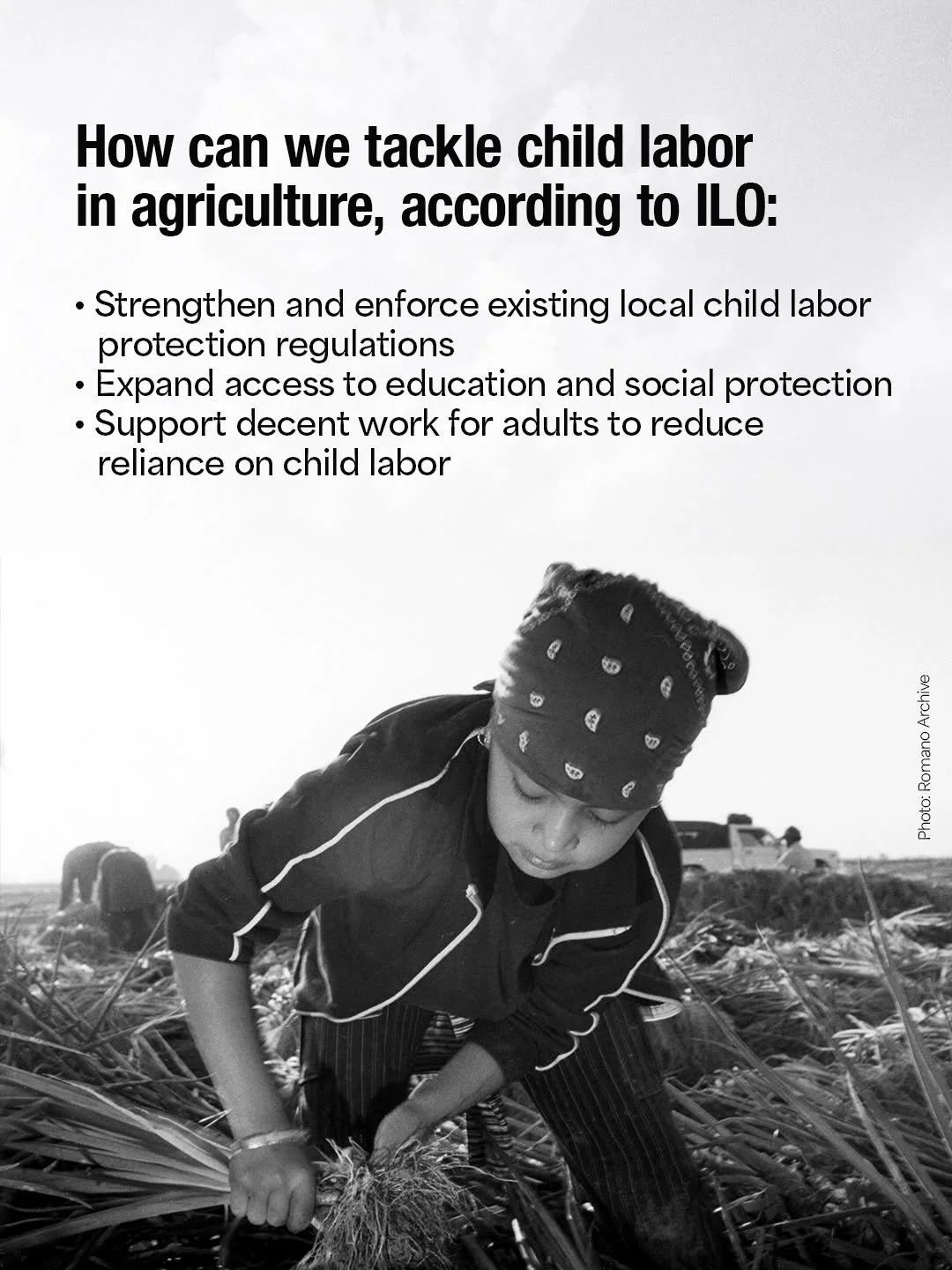
The data also points to another serious problem: existing child labor laws are not always being adequately enforced. With the possibility that some federal protections under the Fair Labor Standards Act (FLSA) could be weakened or go unenforced, States have an increasingly important role to play. At a minimum, States should enforce the already existing mechanisms, under federal law, and ensure governmental officers have the resources and staff needed to enforce them along with their respective local protections, when they exist. If protecting children was the goal existing federal regulations would be the starting point.
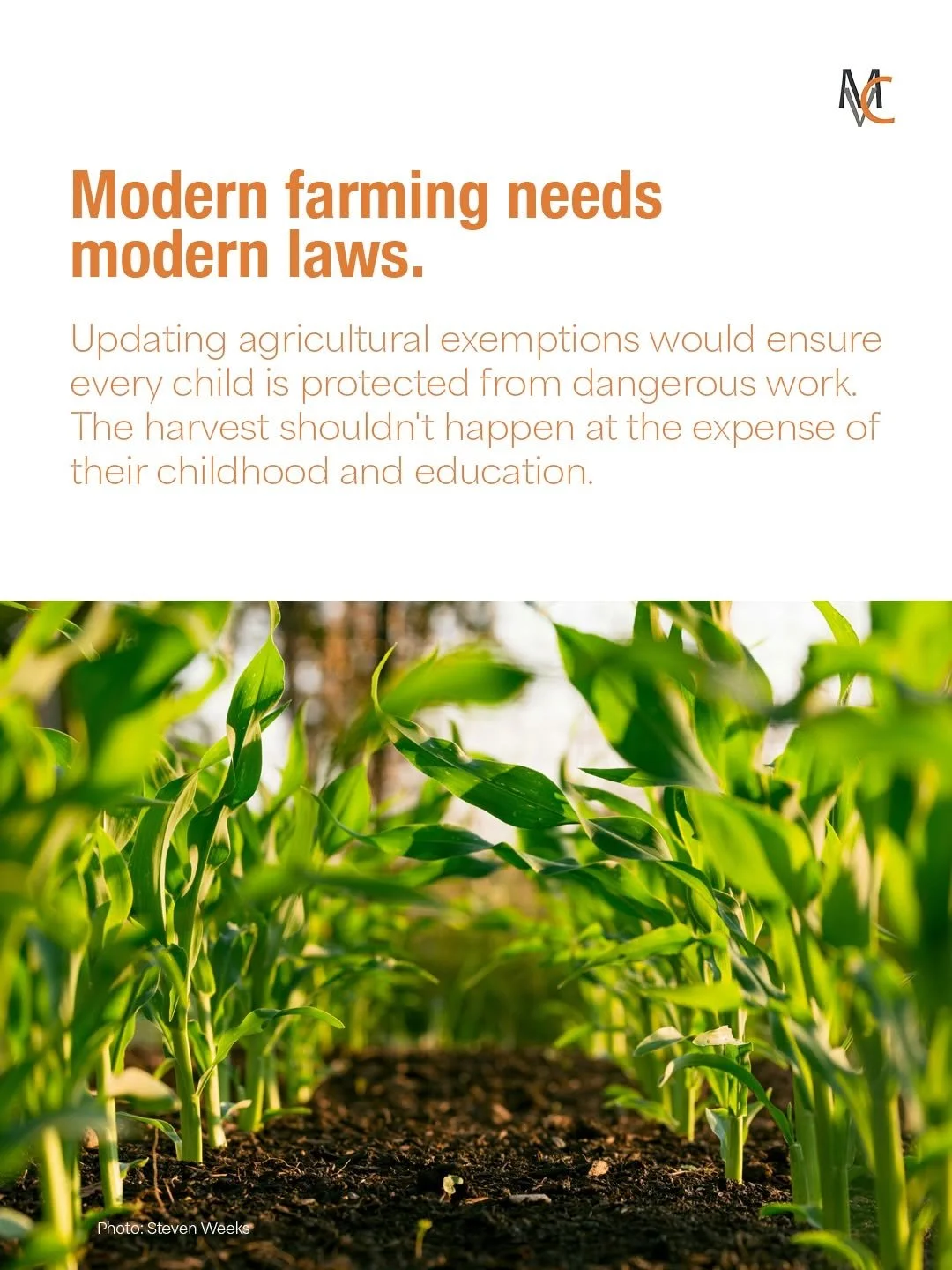
Especially when considering that many of these protections are outdated. Which brings the perfect opportunity for state legislators to strengthen and modernize their child labor laws so that young people are protected, and for the cases they have no choice but to work, they do it safely, without putting their health, education, or well-being at risk in hazardous work.
According to Nina Mast of the Economic Policy Institute, efforts to weaken child labor protections have continued across the United States in 2026. So far this year, at least 13 states have introduced bills that would weaken child labor protections, and four states have already passed them into law. At the same time, only three states have introduced legislation to strengthen child labor standards, compared with 15 states in 2025.
Moreover, many industry-backed efforts to weaken these protections follow four concerning trends: lowering minimum wages for teenage workers, using youth apprenticeship programs to loosen labor protections, eliminating work permit requirements for minors, and reducing safeguards for teenagers working in child care.
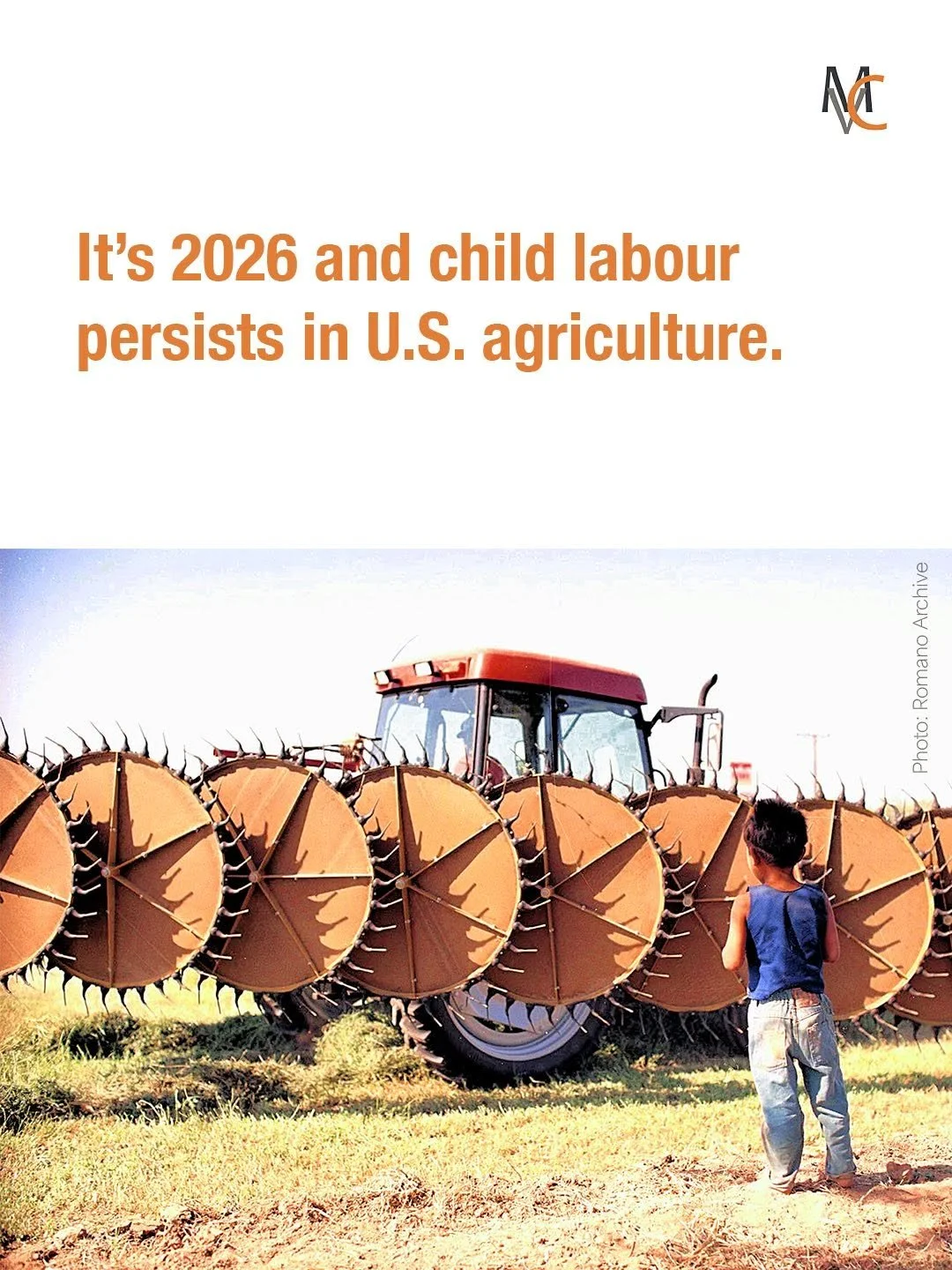
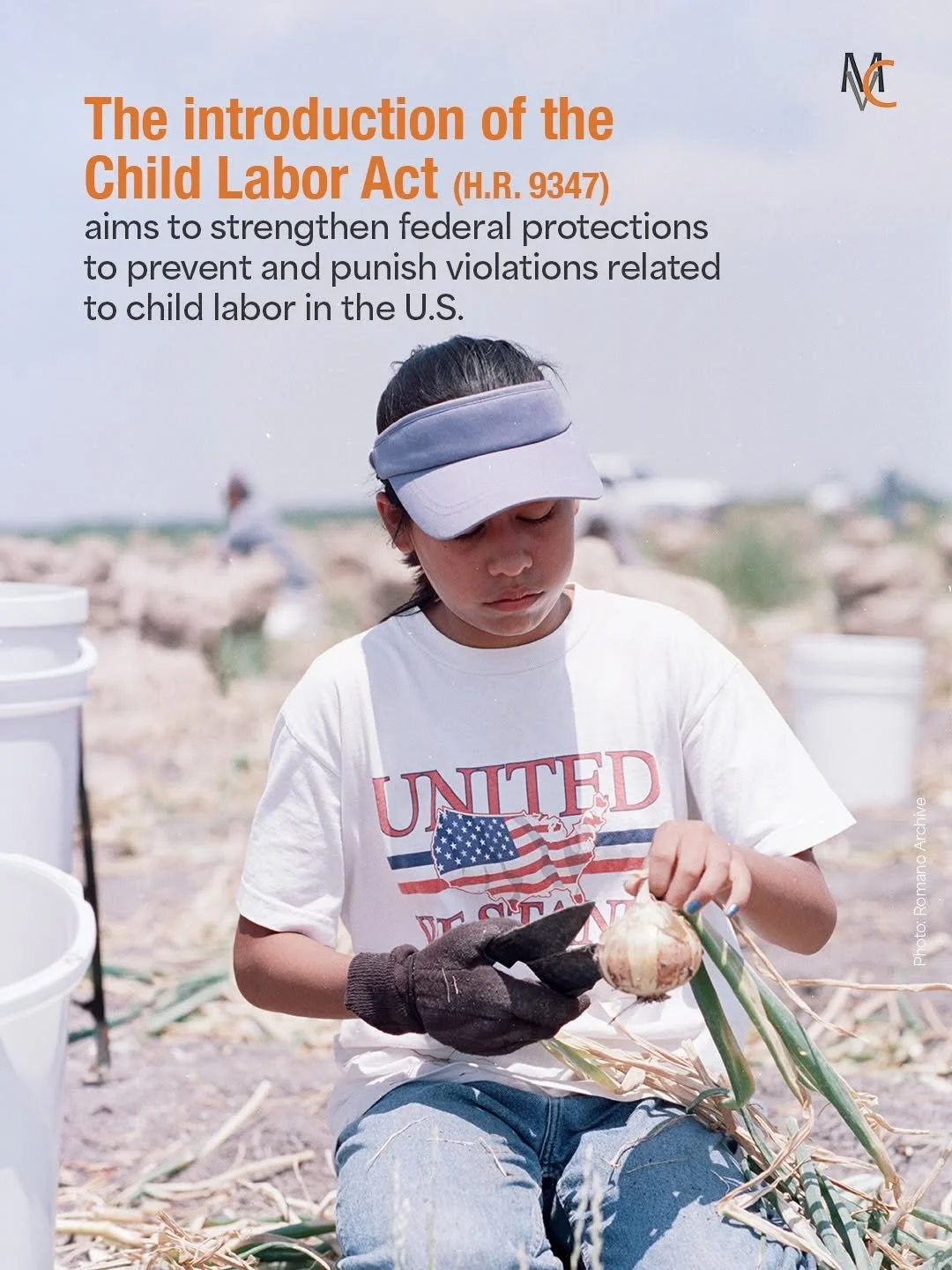
Kids like Alma and Gizela are exactly why the reintroduction of the Children Harmed in Life-threatening or Dangerous (CHILD) Labor Act (H.R.9347 / S.4817) matters. The Senate bill, S. 4817, sponsored by Senator Patty Murray, was introduced June 17, 2026 and The House bill, H.R. 9347, sponsored by Representative Rosa DeLauro, was introduced June 18, 2026 both aiming to strengthen child labor regulations that have not meaningfully evolved since 1938. Federal child labor violations have climbed sharply since 2019, and fiscal year 2025 saw more confirmed violations than any year since the Great Recession. At the same time, enforcement has slowed to a crawl as the Department of Labor has publicized only a handful of child labor enforcement actions since January 2025, a steep drop from prior years.
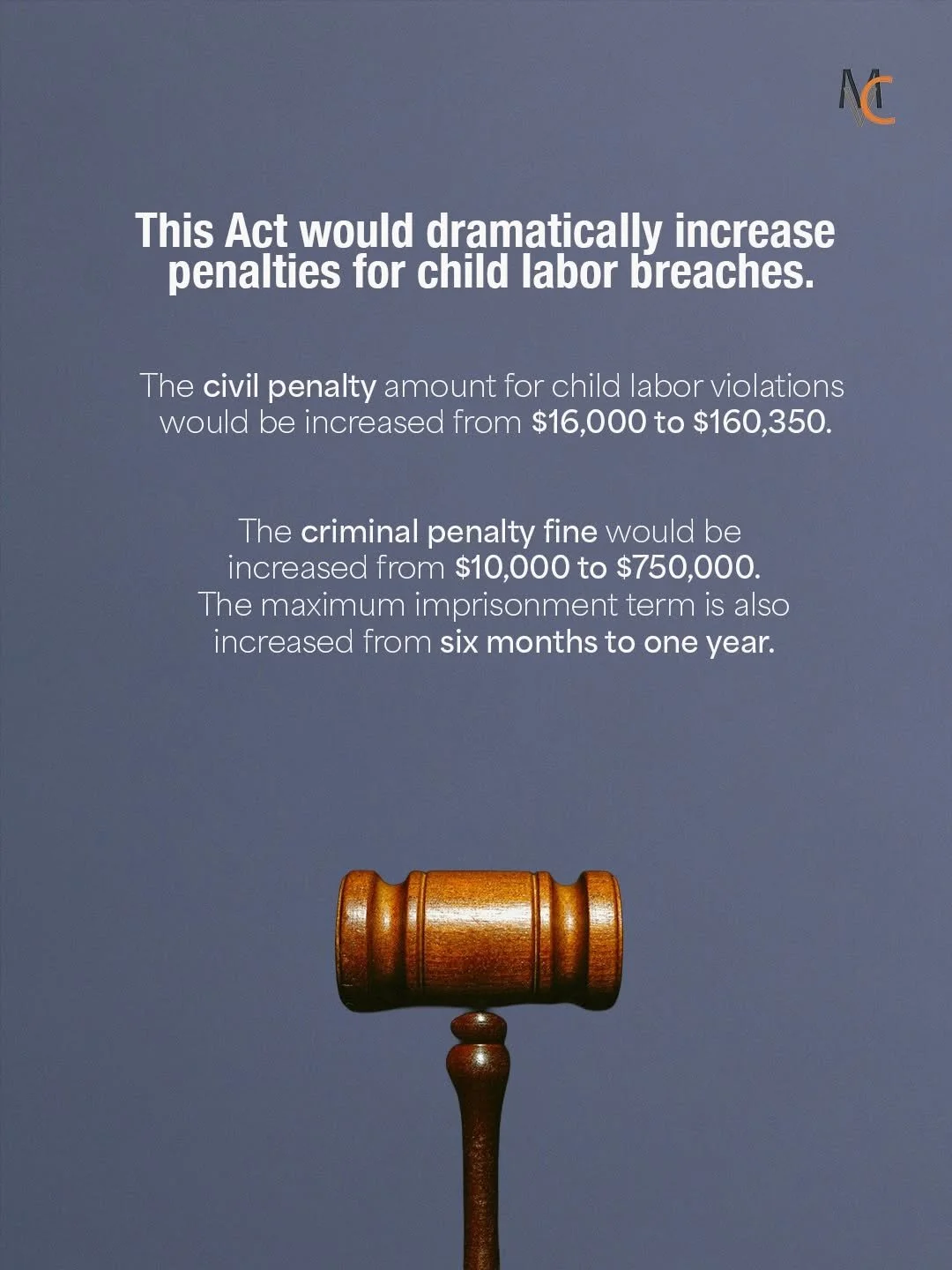
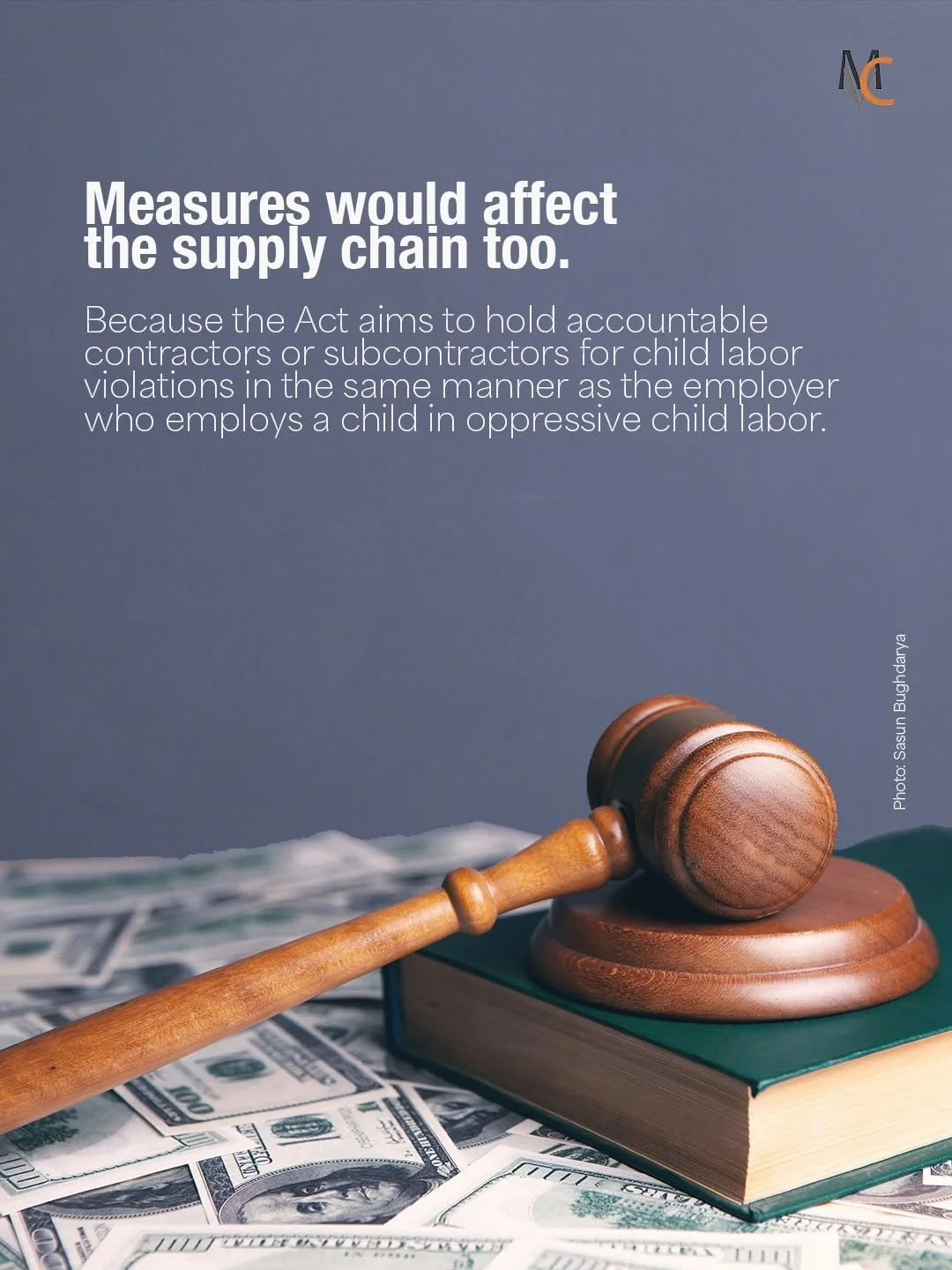
The CHILD Labor Act would raise the cost of breaking the law substantially. Civil penalties for child labor violations would jump from $16,000 to $160,350 per child and could double for repeat, willful, or hazardous-work violations. Criminal fines would rise from $10,000 to $750,000. The bill would let children seriously injured on the job sue their employer directly, with minimum damages of $75,000, and in cases involving death or serious injury, minimum punitive damages of $1,000,000. The statute of limitations would stretch from two years to ten, giving young survivors time to come forward once they’re old enough to understand what happened to them. Contractors and subcontractors would be held liable for child labor violations happening anywhere in their supply chain, the same way as the employer who hired the child directly, closing a loophole that has let companies look away from abuses happening a few links down the chain. The Secretary of Labor would also gain new power to issue stop-work orders and require warning labels on goods made with child labor.
Media Voices for Children exists because we believe every child has a right to safety, dignity, education, and, above all, a childhood that isn’t spent counting pounds of blueberries against fifty cents. The CHILD Labor Act is one important piece of a much bigger puzzle, but real change will take more than one bill. It will require advancing legislation like the Children’s Act for Responsible Employment and Farm Safety (CARE Act) (H.R.6066) to close the agricultural loopholes that leave too many children without due protections. It will, also, require listening to the voices of children and young people like Alma, Jose and Gizela, whose lived experiences are shaping the policies that governed their lives and those of the children who are still growing up and working in the fields today. And it will require all of us lawmakers, advocates, educators, communities, and individuals to stand behind them while they speak of their experiences.
We invite you to support our mission. Learn about the laws that affect working children, support stronger protections, share their stories, and demand that policymakers place children’s rights ahead of profit. Support organizations working directly with children and help young people learn their rights so they have the tools to advocate for themselves. Protecting children and their best interest is a shared and collective responsibility.