Brick by Brick
Wash & Latrines Project for the Students of Adhiro School in Homa Bay, Kenya
It was early in the morning when Natasha Akholi took a bus from Nairobi on a mission to visit the Adhiro School in a quiet rural community near Homa Bay…
Last December, the teachers at Adhiro School shared an exciting update on the impact of the first set of six latrines Media Voices for Children built with the support of our community.
The teachers explained to Natasha, our local partner, the positive change since their students gained access to safe, clean, and private toilets. Most encouragingly, they noticed an improvement in school attendance, particularly among girls, who were going to school more consistently throughout the school year.
This facility demonstrated what access to basic infrastructure can mean for a child's education, dignity, health, and ability to remain in school. In fact, from the first cycle of 2025 to the first cycle of 2026, enrollment increased by more than 100 students.
However, the visit also revealed that there was still more work to do. With a growing number of students relying on only six latrines, long queues had become part of the school day.
Children were spending much of their breaks waiting to use the toilets, and when they couldn't make it, they sometimes missed valuable moments of the class simply to meet a basic human need or in the kids words: to attend nature calls.
Their message was both an update on how far we had come together and a reminder of what still needed to be done. The first six latrines had already demonstrated what access to basic infrastructure can mean for a child's education, dignity, health, and ability to remain in school.
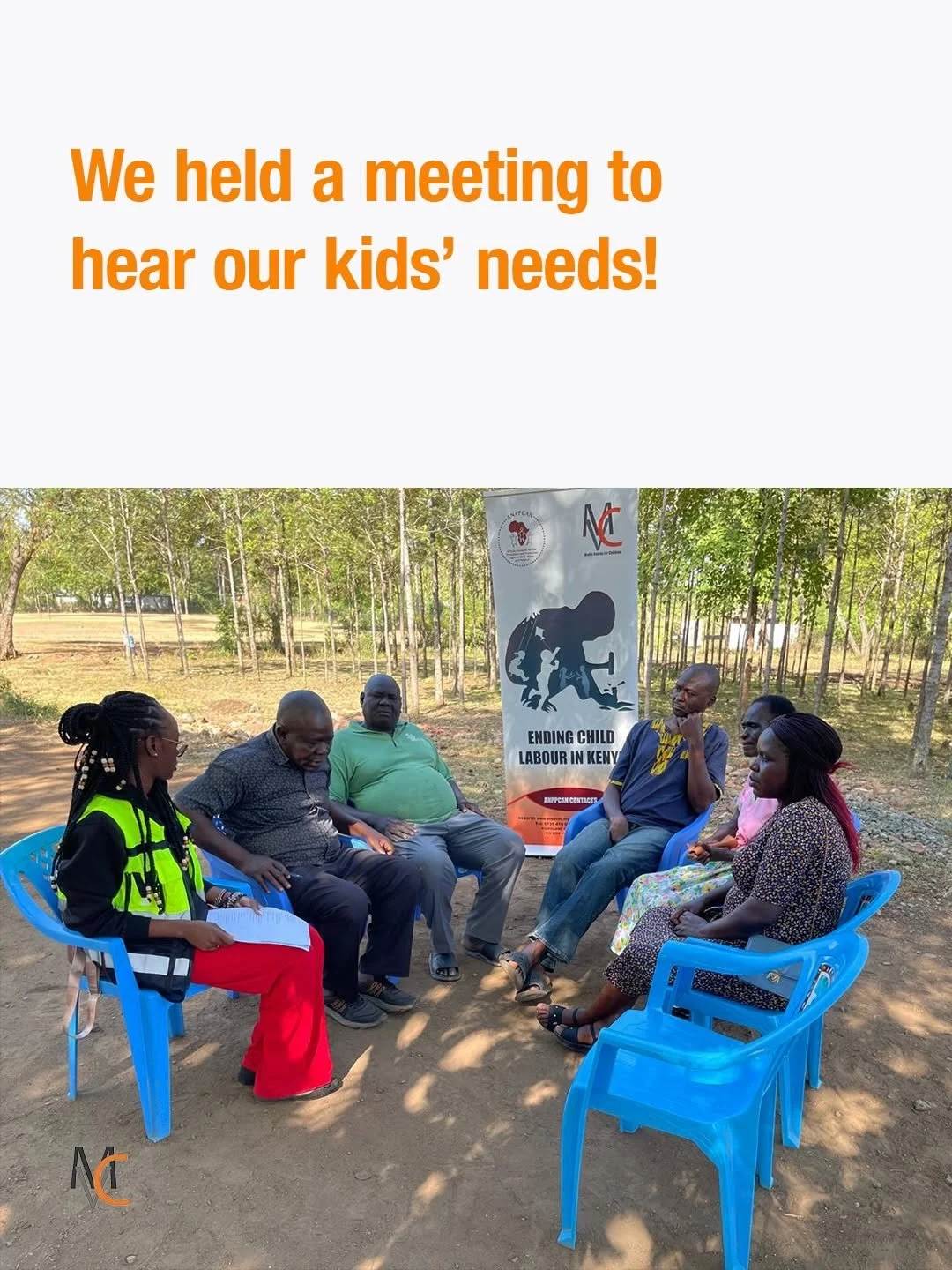
Although Natasha listened to multiple community members, the center of the conversations were the students themselves. In Media Voices for Children, we believe that the first step for a grounded project is to create a space where children can voice their needs, be listened to, and have meaningful opportunities to participate in decisions affecting their everyday lives at school.
After talking with the boys and girls, their needs were clear: they wanted facilities that would make their experience at school safer, healthier, and more dignified and that would help them attend consistently and stay focus on learning.
The students mentioned the need for a kitchen, classrooms and seatings, the need for menstrual kits, and more latrines. And as we consider options, back home Natasha kept trying to prioritize and wondered:
What could we help build today that would continue benefiting children for years to come, including the many new students who will walk through Adhiro‘s doors in the future?”
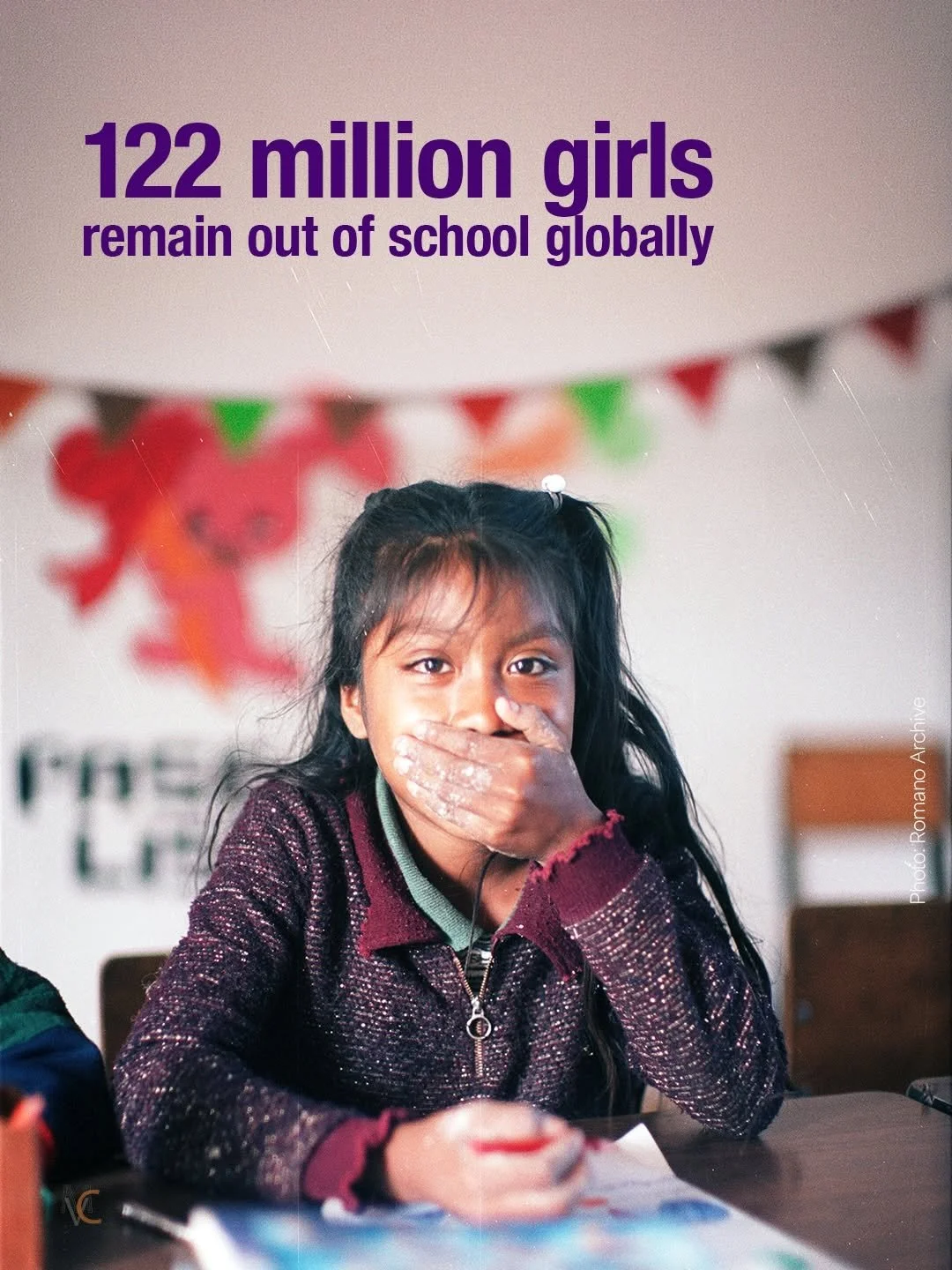
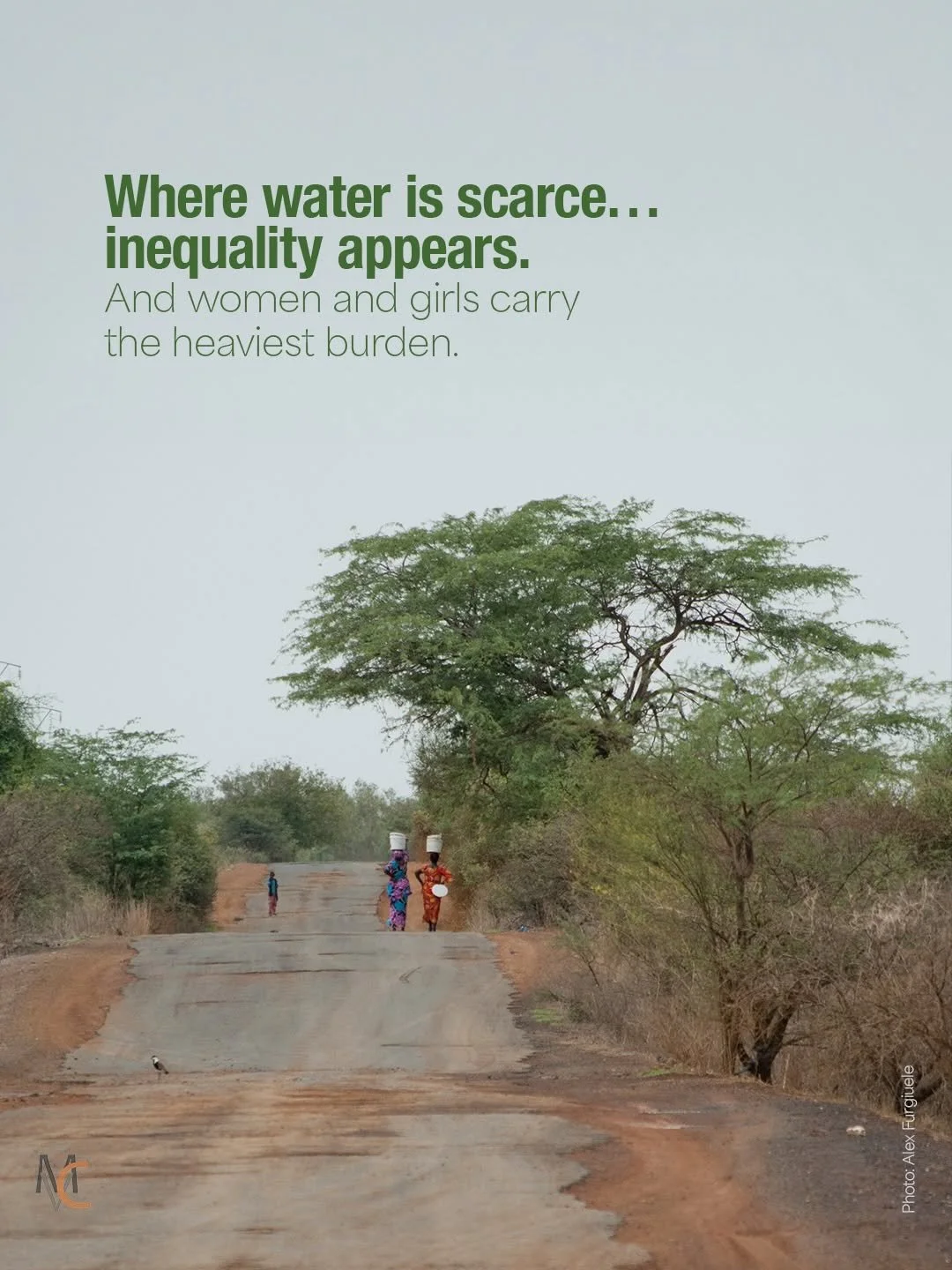
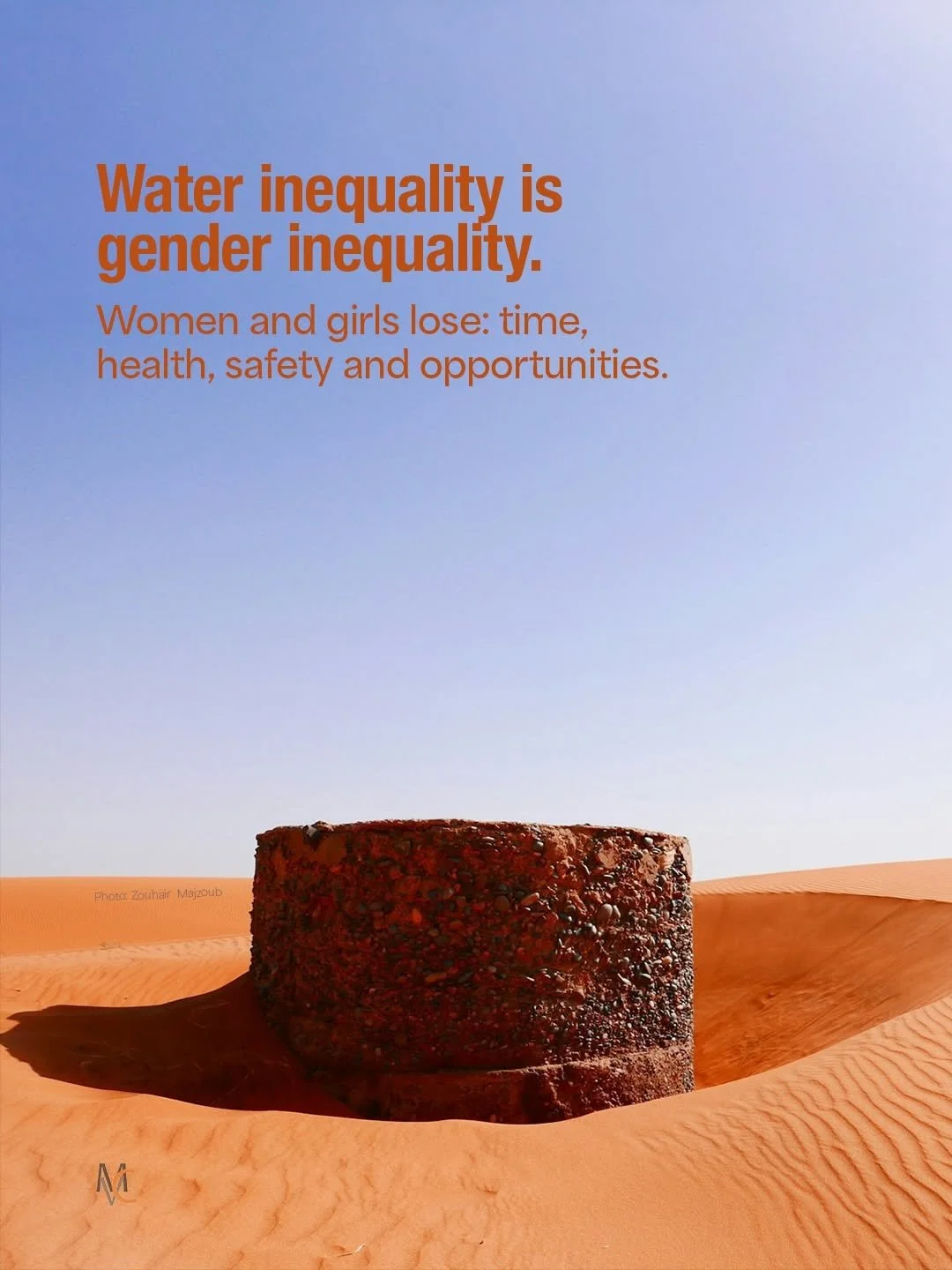
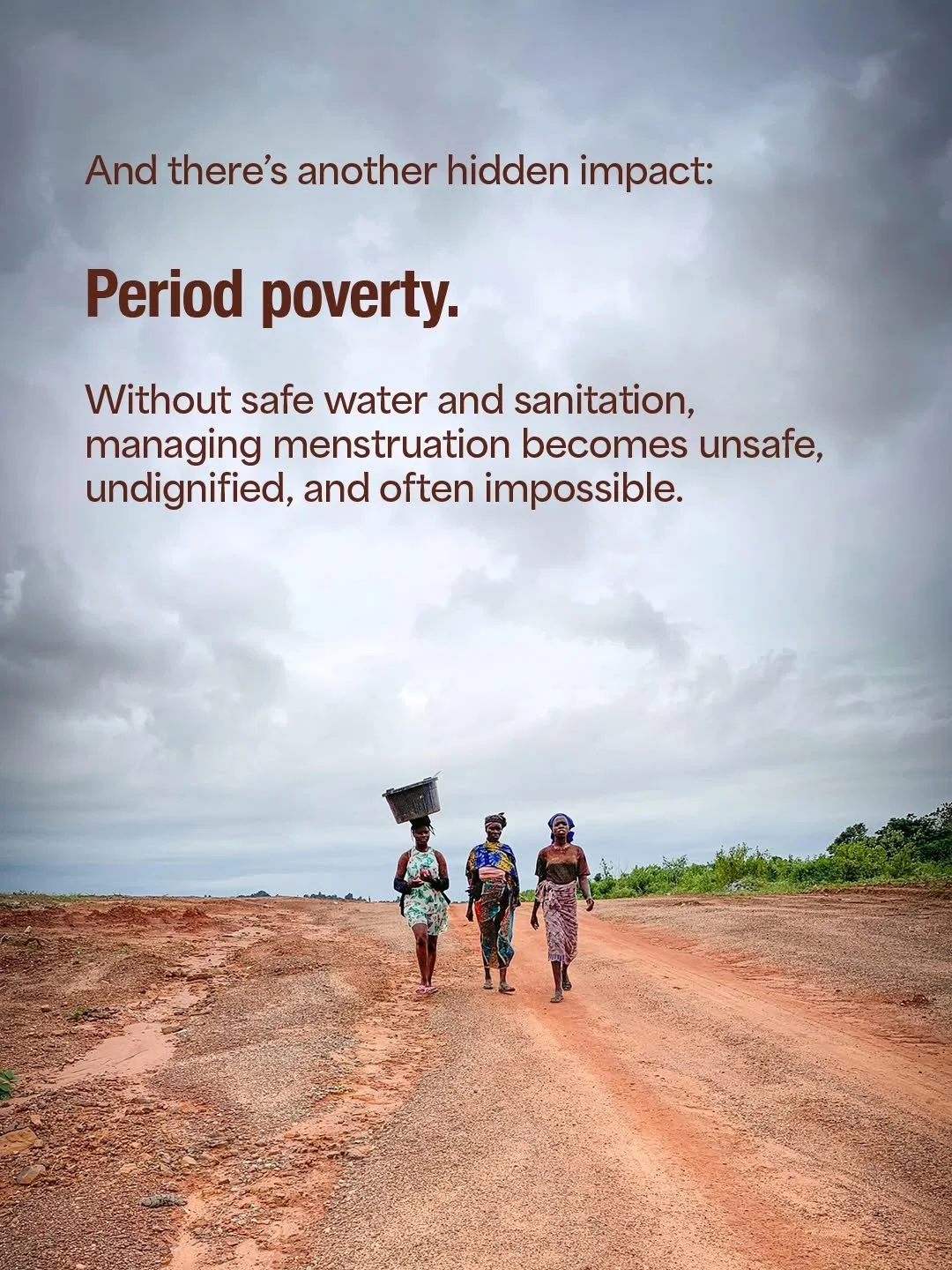
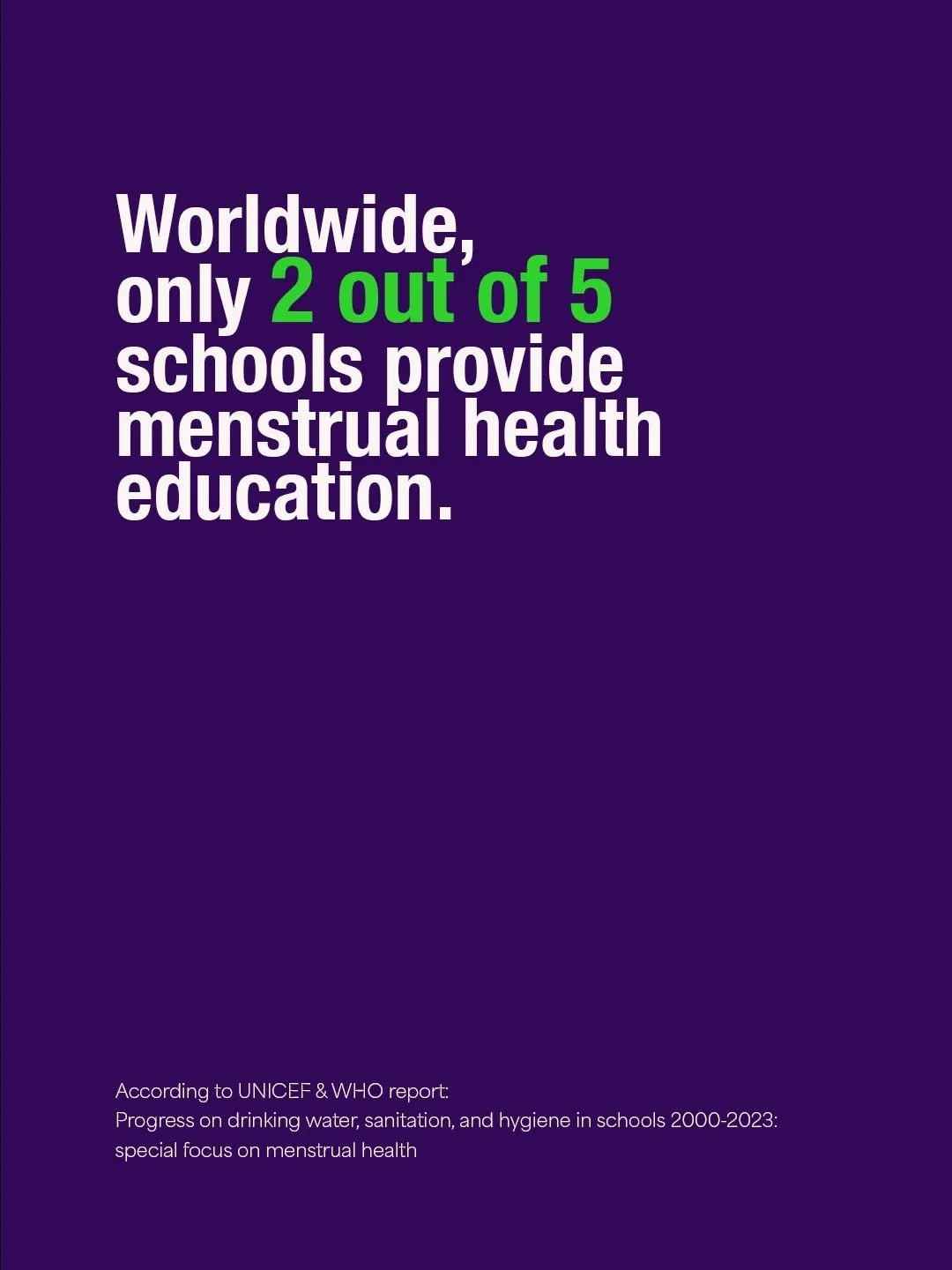

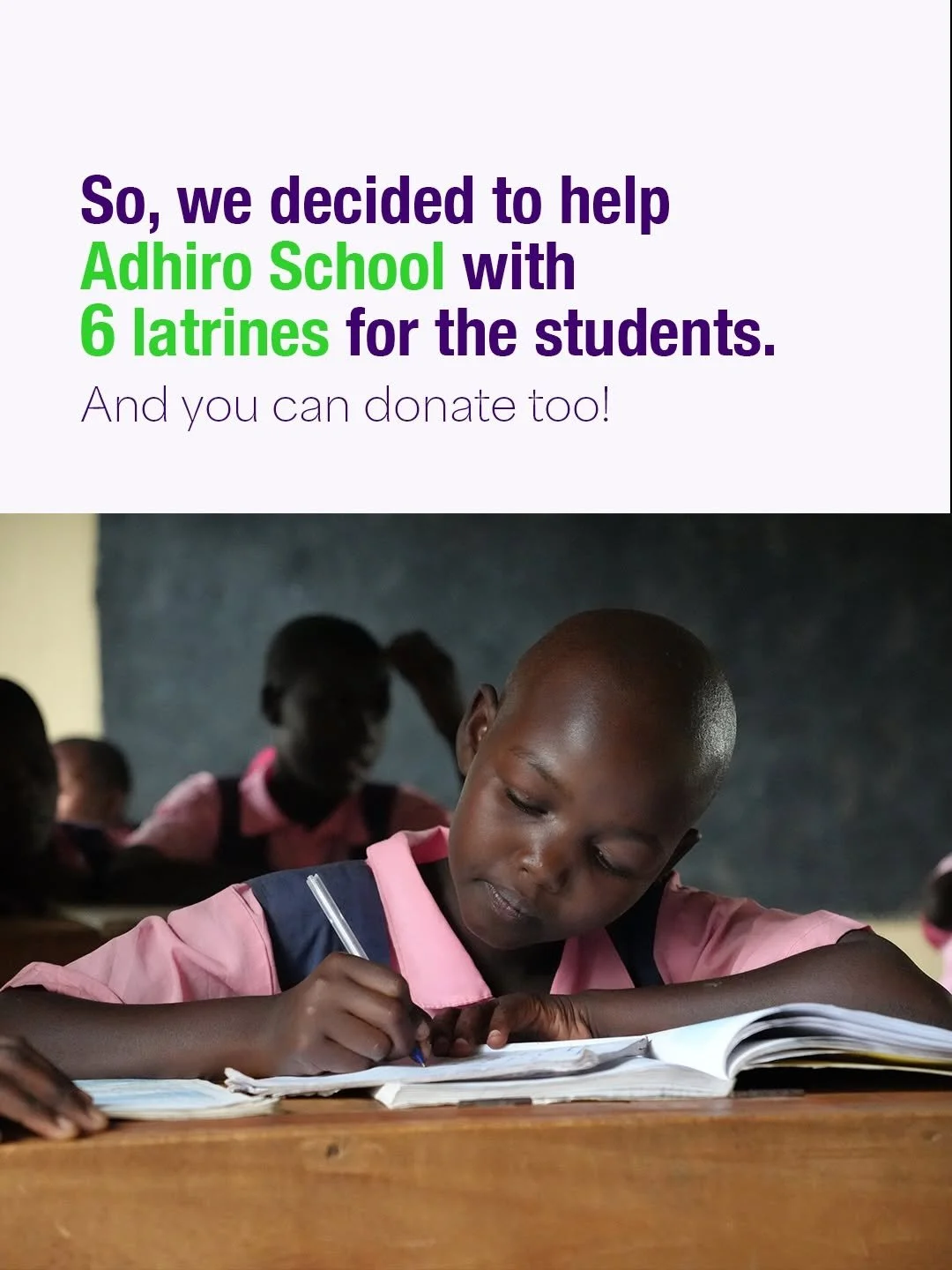
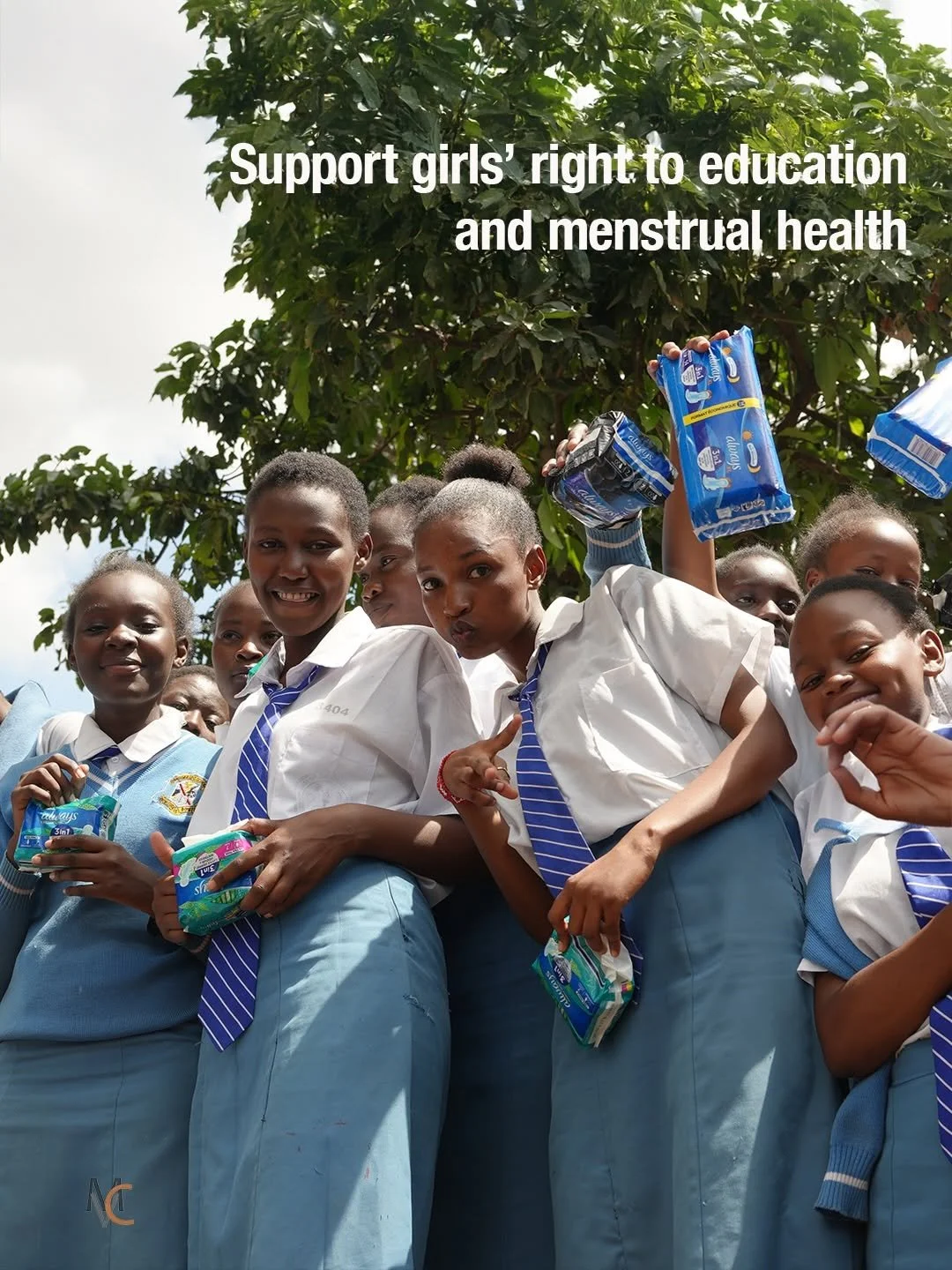
These conversations became an opportunity to listen and learn about the students’ needs and to reaffirm why access to Water, Sanitation, and Hygiene (WASH) is so important to their ability to stay healthy and stay in school.
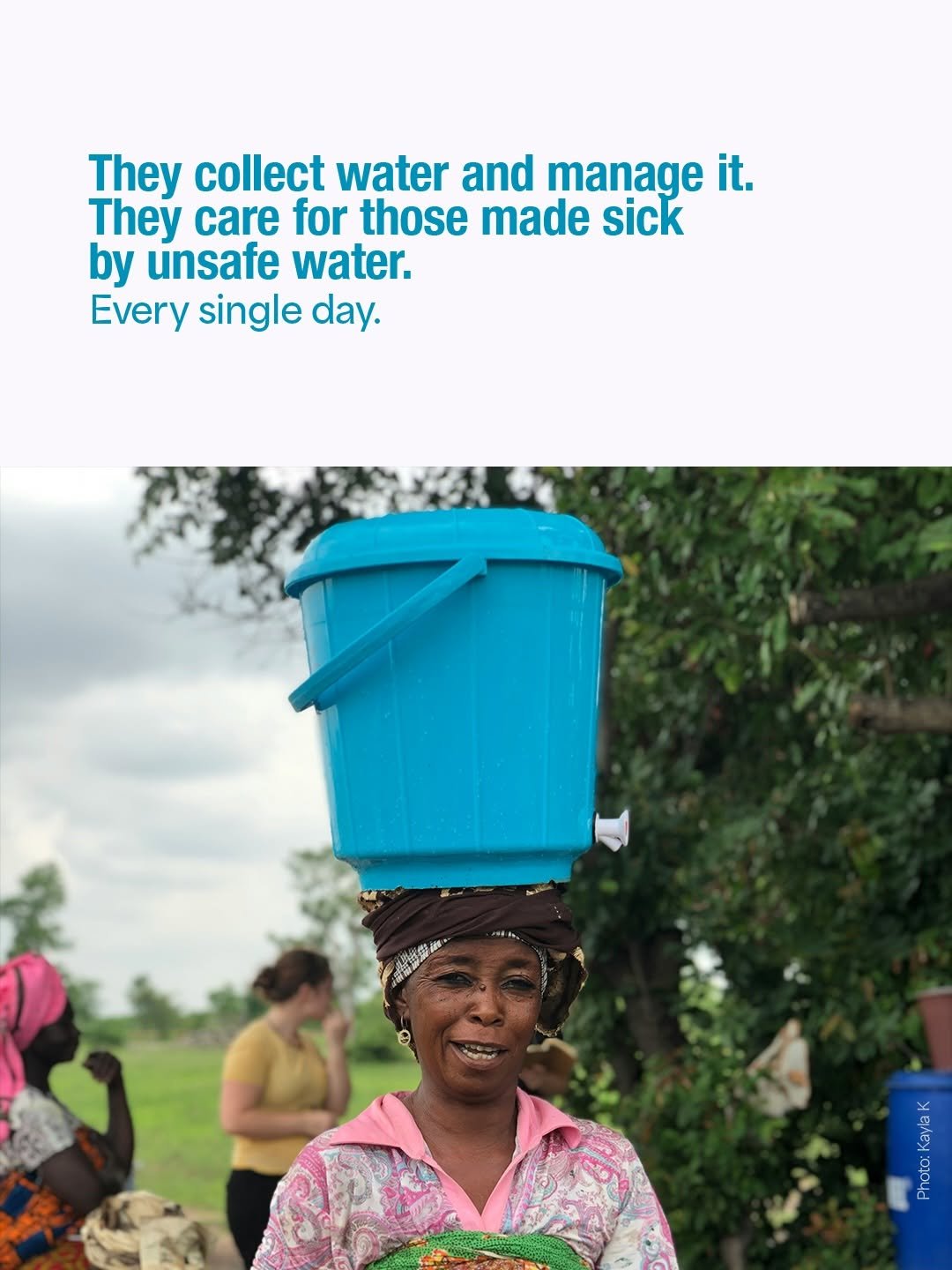
In rural areas of Kenya, access to water is a big necessity and water tanks provide an essential source of water for students to wash their hands after using the latrines and before eating, while also allowing the school to keep sanitation facilities clean. Together, safe toilets, clean water, and good hygiene practices create an important line of defense against preventable diseases.
In Homa Bay County, near Lake Victoria, communities continue to face the threat of waterborne diseases such as cholera. Therefore, access to safe sanitation is not simply an infrastructure issue, it is a matter of health, dignity, safety, education, and children’s rights.
The teachers at Adhiro have seen that connection firsthand. They witnessed how the latrines have helped the school prevent illnesses including cholera, typhoid, and bilharzia, while reducing the amount of time children spend waiting in line to use the bathroom. As a result, they noticed improvements in school attendance.
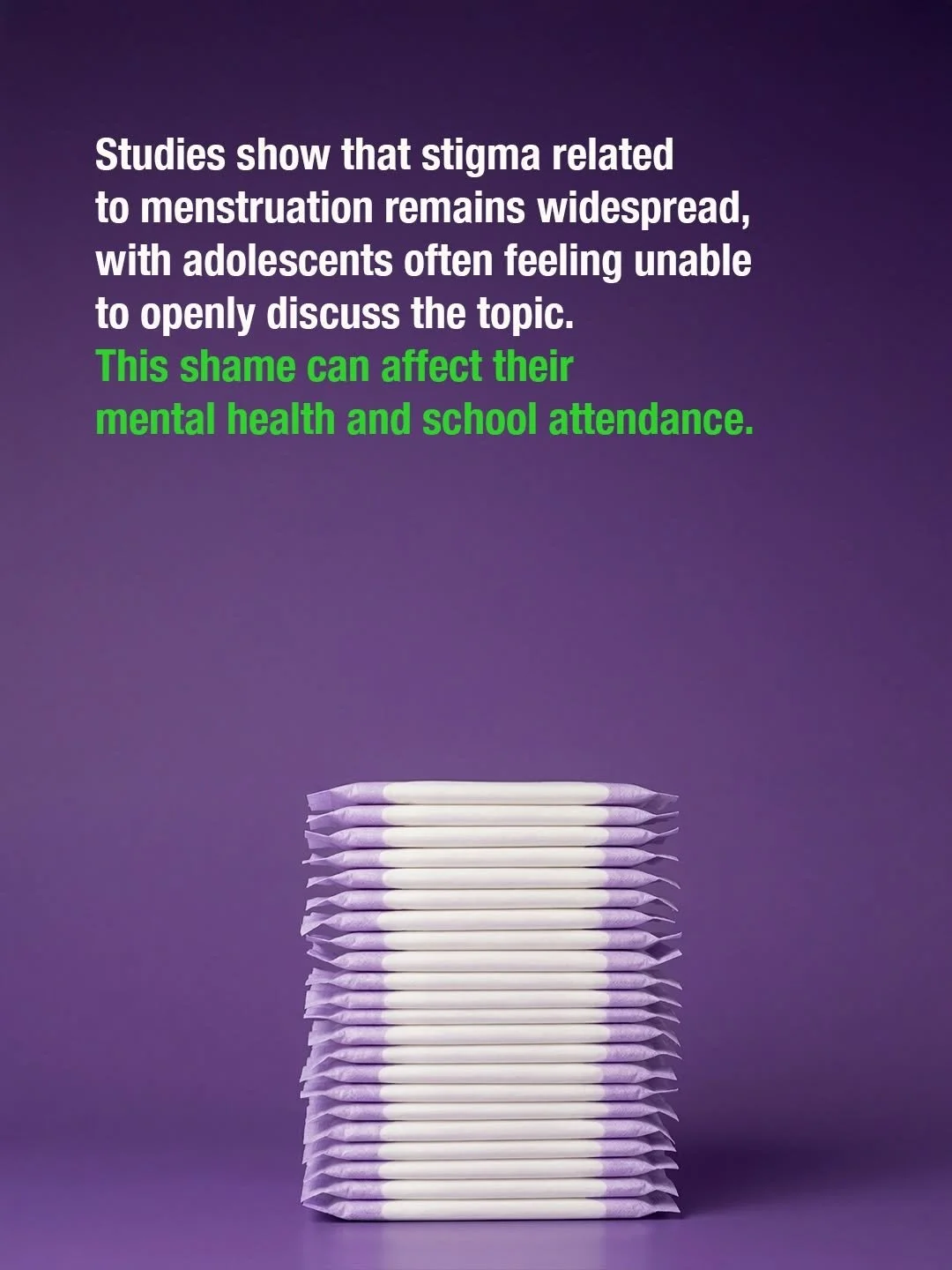
For girls, adequate WASH facilities are particularly important. Private, safe toilets and access to water provide greater dignity and privacy and help create the conditions girls need to manage menstruation safely and remain in school throughout the month.
In consultation with students, school staff, and community leaders, we began shaping those needs into practical solutions centered on the children’s best interests. And so, we asked the children what would make your school safer? Watch their answers below:
THESE CONVERSATIONS REVEALED THEIR NEEDS FOR ACCESS TO WATER, SANITATION, AND HYGIENE. “WASH” MATTERS FOR CHILDREN AND, PARTICULARLY, FOR GIRLS BECAUSE SAFE AND ADEQUATE SANITATION CAN MEAN BEING ABLE TO STAY IN SCHOOL THROUGHOUT THE MONTH, MANAGE MENSTRUATION WITH PRIVACY AND DIGNITY, AND REDUCE EXPOSURE TO PREVENTABLE ILLNESSES.
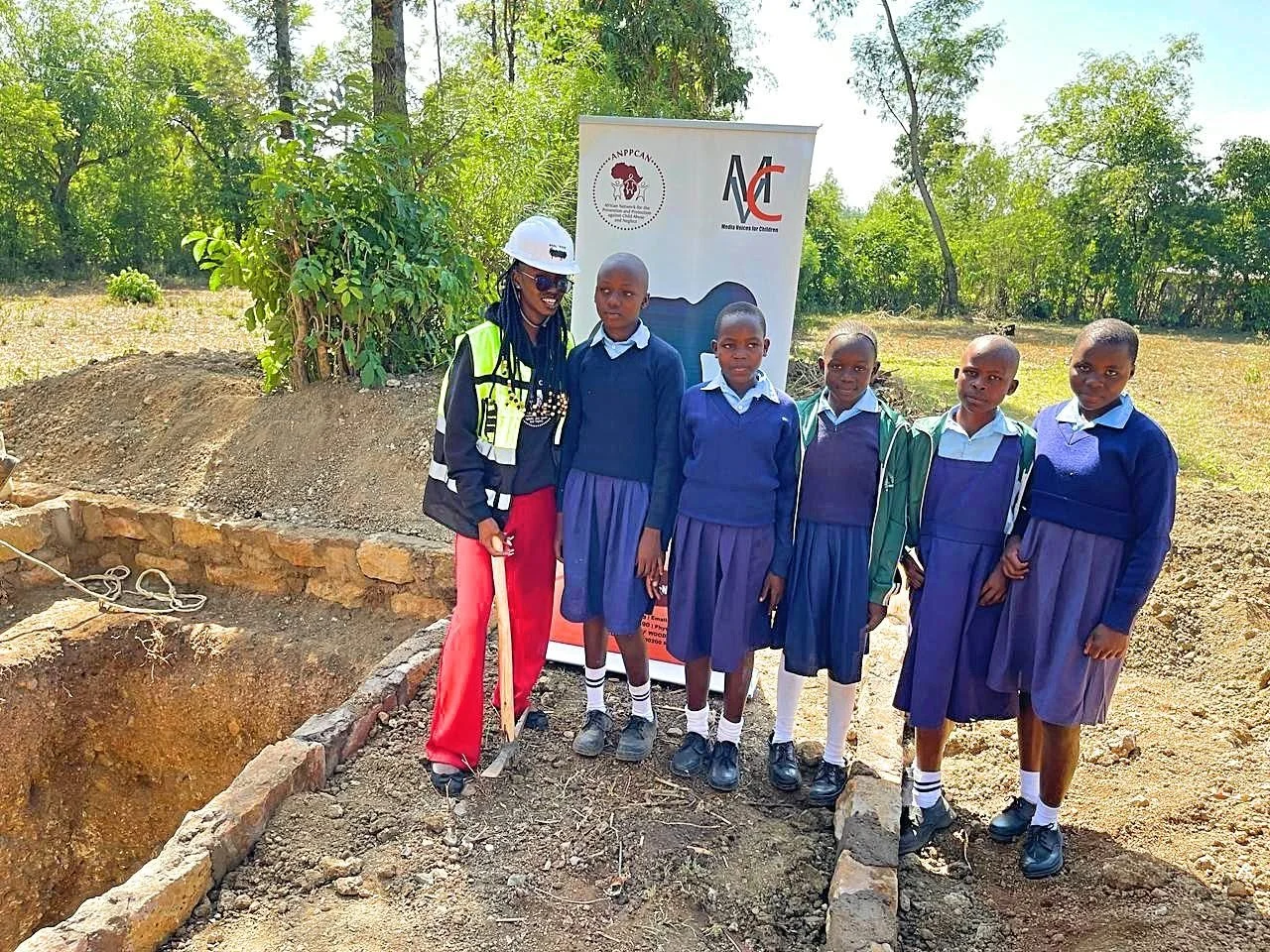
To meet health and sanitation standards for the school’s growing population , we came up with the conclusion of building one last set of latrines.
Together, we landed on a clear priority: raising the funds necessary to build a second set of safe latrines, helping ensure that sanitation facilities can adequately serve the school’s current population and its continued growth.
This decision was made based on evidence and taking into account the kids’ requests, along with validation and operational assistance from the school staff, the community leaders including our friend Okech Kendo, parents of students and the teachers who know their needs better.
Since the first set of latrines was built in 2024, girls’ attendance has improved and remains steady month after month. For many girls, separate latrines can determine whether they remain in school, particularly during adolescence. Without private sanitation facilities, many students experience discomfort due to menstruation, absenteeism, and increased vulnerability. By providing safe spaces, we are creating better conditions for the girl’s education, helping to prevent school dropouts, and effectively preventing the risk of child labour and child marriage.
And that is, ultimately, what we set out to build: not just another set of latrines, but an environment where all children can feel safer, stay healthier, and have a better opportunity to remain in school - today and for the generations of students who will follow them.
After several months of construction the second set of latrines are ready to use. And the students are happy to show them!
A SPECIAL THANKS!
We are grateful to our donors for helping turn the kid’s hopes and dreams into a reality by contributing with building the new block of 6 latrines for our students, for them to use from now on and for the enjoyment of generations to come.
If you want to help with the scholarships of our students, donate here!